11 eCommerce Obstacles & How to Overcome Them
Last updated on

Are you running into obstacles as an online seller?
You’re not alone. I’ve spent over a decade in the WordPress ecosystem, testing hundreds of plugins and watching site owners set up their checkout flows from scratch.
The businesses look different every time (a course creator, a nonprofit, a boutique retailer), but the obstacles that trip them up are almost always the same eleven.
First, it’s important to know that you’re not alone. The future of eCommerce continues to unfold rapidly, offering new and exciting ways for businesses to enter untouched markets and generate more revenue.
However, hurdles exist for all online sellers and entrepreneurs. Regardless of whether you’re new to eCommerce or have years of experience, there’s always a chance you’ll face a few common challenges from time to time.
To help you prepare for the inevitable barriers all eCommerce sellers face, I am sharing eleven of the most common ones and offering tips on how to overcome them.
1. Poor Identity Verification
There’s no perfect way to verify online that the person making a purchase is the authorized cardholder, and fraud is what fills that gap.
It’s also getting more expensive: global eCommerce fraud losses hit an estimated $48 billion in 2025, up 16% year over year, and U.S. merchants now lose $4.61 in total cost for every $1 of direct fraud once chargeback fees, lost inventory, and support time are factored in, according to Juniper Research.
The fix isn’t a perfect verification system (it doesn’t exist). It’s a payment processor with real fraud detection built in. Every payment WP Simple Pay processes runs through Stripe, which means you get Stripe Radar’s fraud detection for free, including custom rules to auto-block the transaction patterns you see most on your own store.
Next step: turn on Radar’s default rule set first, then check your dashboard after 30 days for false-positive blocks before layering on custom rules. See the full guide on protecting your business from credit card fraud for the rule-by-rule breakdown.
2. Too Few Positive Reviews
Buyers check reviews before they check anything else you have to say about your own product. No reviews mean no third-party proof, and that’s the first thing a new visitor notices.
The obstacle isn’t that people won’t leave reviews. It’s that almost nobody leaves one unprompted. Every store I’ve watched succeed at this asks directly, usually right after the purchase moment, when satisfaction is highest.
Next step: use a coupon code field on your payment form to offer a small discount in exchange for a review on the next purchase, and set up a personalized confirmation email that asks for one directly.
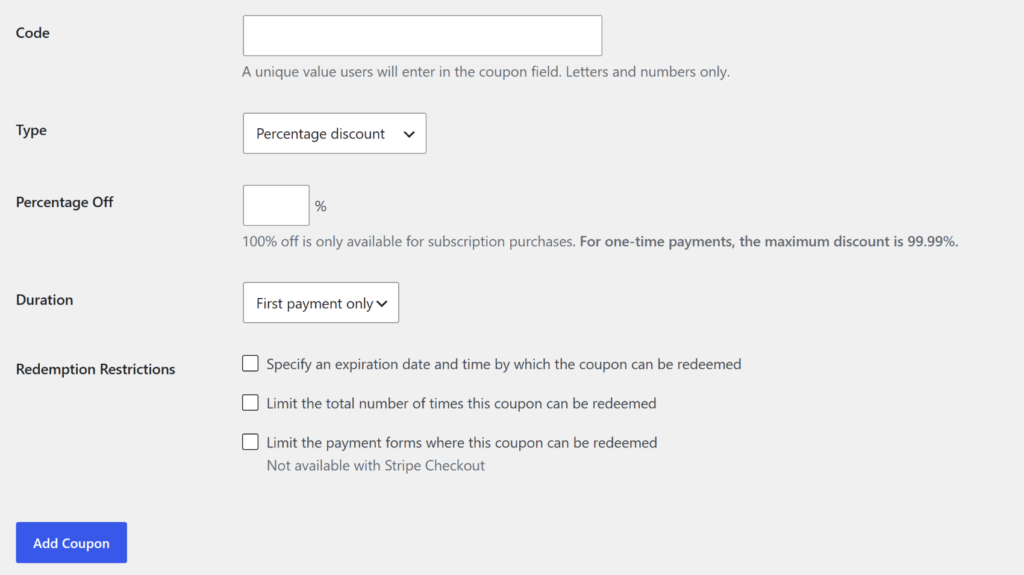
Plus, you should keep an eye on your social channels too. Reviews that show up organically in comments and shares carry even more weight than the ones you collect on-site.
3. Competing on Price
When sales dip, cutting your price feels like the fastest fix. It works once. Do it repeatedly and you train customers to wait for the next discount instead of paying full price, and you erode the margin you need to actually run the business.
The sellers who get past this stop competing on price and start competing on clarity: what exactly the customer gets and why it’s worth the number on the screen.
Next step: build out high-converting pricing tables that make the value of each tier obvious at a glance, rather than defaulting to a blanket discount.
4. New Laws or Regulations
At some point, a new law, tax rule, or compliance requirement is going to force a change in how you run your business. You can’t avoid this one. You can only control how much notice you have when it happens.
Next step: stay ahead of tax changes specifically, since that’s the regulation most online sellers get caught out by.
Setting up automatic tax collection on your payment forms now means one less thing to scramble for when a rule changes. If you sell internationally, budget extra lead time. Cross-border compliance tends to move more slowly to announce and more quickly to enforce than domestic rules.
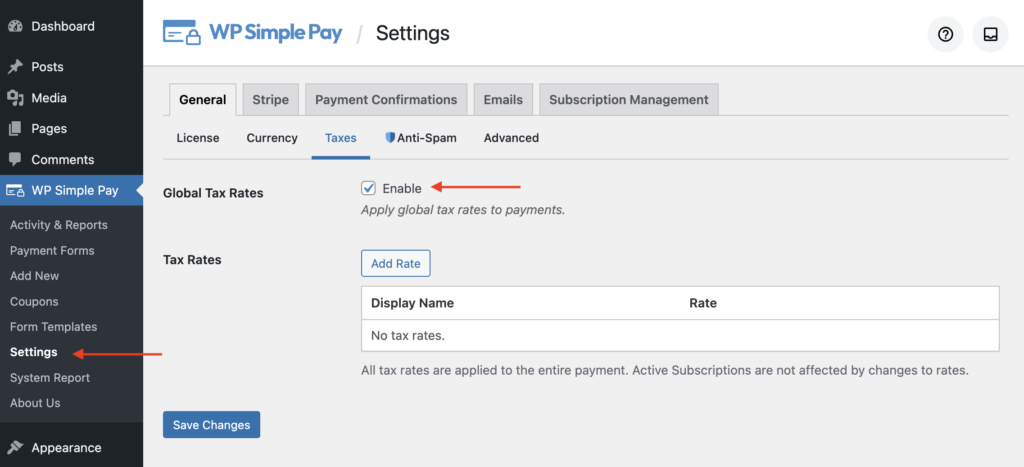
If you sell your products or services globally online, you’re probably already aware of the challenges that come with this big step for your business.
Be sure to check out our guide that offers tips on how to globalize your eCommerce business.
5. Data Breaches
Customers are more guarded about their payment data than ever, and for good reason: a new retailer data breach seems to make headlines every few weeks. Even a small store holding “just” names and email addresses is holding something a bad actor can exploit.
Next step: treat every data point you collect at checkout as something you’re accountable for, not something that’s free to gather because the form field was easy to add. Collect only what you actually use, and never share it without explicit permission.
6. Retaining Customers
It’s no secret that it is cheaper to retain a customer than to acquire a new one. And yet, most online businesses spend a disproportionate amount of time and money on customer acquisition. They don’t take aggressive steps to engage the customers they already have.
Ask yourself how you can convince your past customers to buy again. What products or programs can you create that will keep them engaged? Do they want content, training, or advice? Do they want product support or mentorship?
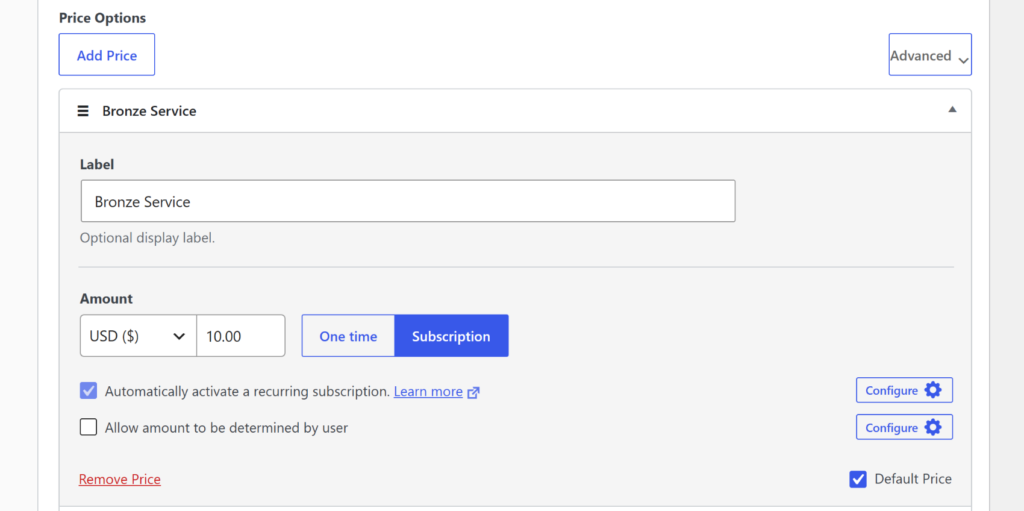
Next step: if you run recurring payment plans, treat churn reduction as a retention line item, not an afterthought. Pair that with a simple loyalty offer for repeat buyers. The goal is to give past customers a reason to come back before they’ve had a reason to leave.
7. Returns and Refunds
Returns and refunds are especially problematic when you sell online.
It’s genuinely hard to prove whether a customer never received an order, received a damaged one, or is just unhappy. Most sellers eventually process a refund they know was a valid sale, purely to avoid the bad review.
Next step: put a return and refund policy in place that spells out the process before a dispute happens, not during one.
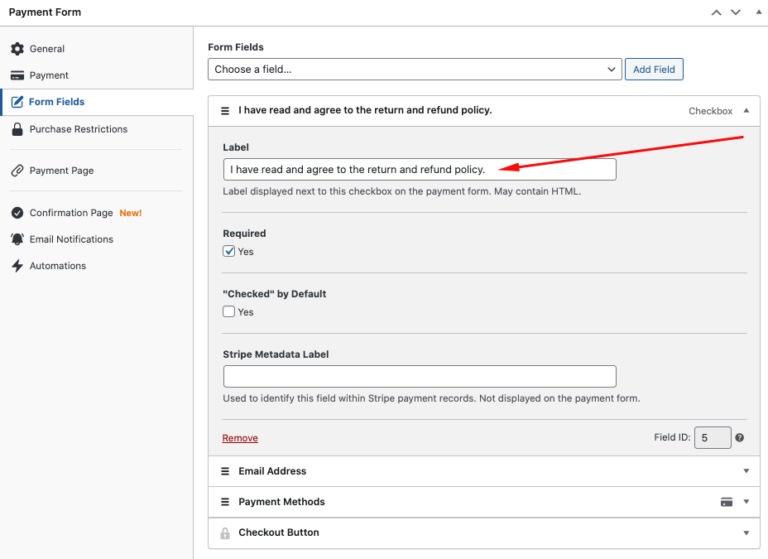
Then calculate what the abuse of that policy typically costs you and build it into your pricing, so the occasional bad-faith refund isn’t coming straight out of your margin.
8. Handling Harsh Feedback
Not every piece of feedback is delivered kindly, but the blunt ones are often the most useful if you can get past the tone. The question worth asking isn’t “how do I respond to this?” it’s “why didn’t this customer get what they expected?”
Next step: separate the two reactions. Respond to the customer with professionalism regardless of tone, and separately, review whether the underlying product, page copy, or expectation-setting needs to change so the same complaint doesn’t recur.
9. Product/Service Errors and Updates
You will eventually ship something with a mistake in it, whether that’s a typo in a digital download, a bug, or advice that’s gone stale. Sometimes you catch it first. More often, a customer does.
Next step: own it publicly and fix it visibly. If the mistake had a real impact on a customer (bad advice that cost them money, for example), that’s a conversation worth having directly rather than letting it surface as a public complaint.
Keeping your payment and product pages current is part of preventing this in the first place.
You should also be sure to keep your site updated with news and information regarding your products and services. Optimizing your product pages, as well as your payment pages, is a great way to keep both current and potential customers informed about what you can offer them.
10. Overwhelmed with Work
Running an online business is simpler than running a brick-and-mortar operation, but it’s still easy to become overwhelmed with work and neglect key parts of your business.
For instance, many entrepreneurs fail to market their businesses during the hustle and bustle of serving customers. When a dry spell comes along, they’re forced to scramble to keep money coming in.
How do you conquer an overwhelming workload?
Next step: automate what you can (connecting WP Simple Pay to a tool like Uncanny Automator handles a lot of the post-purchase busywork), delegate what you can’t automate, and outsource the functions that aren’t your core skill, like bookkeeping or ad management.

11. New Player in the Market
You spend a lot of time establishing yourself in your market, learning about your competitors, and how to be different. So it can be frustrating when a new person or company starts offering similar products and services, especially if they are suspiciously similar to yours.
It’s even worse when an existing player from another market slides into yours, like when that digital agency starts offering consulting, or when the consultant releases an online course. They can carve out market share right away because they already have a foundation of trust and credibility.
Next step: don’t wait to see what they do. Study what’s actually working for them and use it as a prompt to sharpen your own differentiation, rather than treating their arrival as a threat to react to defensively.
Frequently Asked Questions
1. What is the most common obstacle for new eCommerce sellers?
Payment fraud and chargebacks are the most common and costly obstacles. Global eCommerce fraud losses reached an estimated $48 billion in 2025, and most sellers underestimate it because the cost shows up scattered across chargeback fees, lost inventory, and support time rather than as one line item.
2. How can I get more reviews for my online store without paid ad spend?
Ask directly, right after purchase, when satisfaction is highest. Offering a small discount on a customer’s next order in exchange for a review, through a coupon code field on your payment form, consistently outperforms waiting for reviews to arrive unprompted.
3. Should I lower my prices to compete with cheaper competitors?
Generally no. Repeated price-cutting trains customers to wait for discounts and erodes the margin you need to operate. A clearer presentation of value, such as a well-structured pricing table, typically addresses the underlying problem better than a price cut does.
4. How do I prepare my WordPress store for new tax or compliance regulations?
Set up automatic tax calculation on your payment forms ahead of time so a rule change doesn’t require an emergency fix, and build in extra lead time if you sell internationally, since cross-border compliance rules tend to be enforced faster than they’re announced.
Look to the Future
None of these eleven obstacles needs a perfect solution sitting ready before they show up. What helps is knowing which ones you’re likely to hit, so you’re not solving them from scratch in the moment they actually happen.
I hope this article helped you learn about the eCommerce obstacles and how to overcome them. You may also want to see if Stripe Atlas is worth it and how to set up automated tax compliance on your WordPress site.
What are you waiting for? Get started with WP Simple Pay today!
To read more articles like this, follow us on X.
Disclosure: Our content is reader-supported. This means if you click on some of our links, then we may earn a commission. We only recommend products that we believe will add value to our readers.